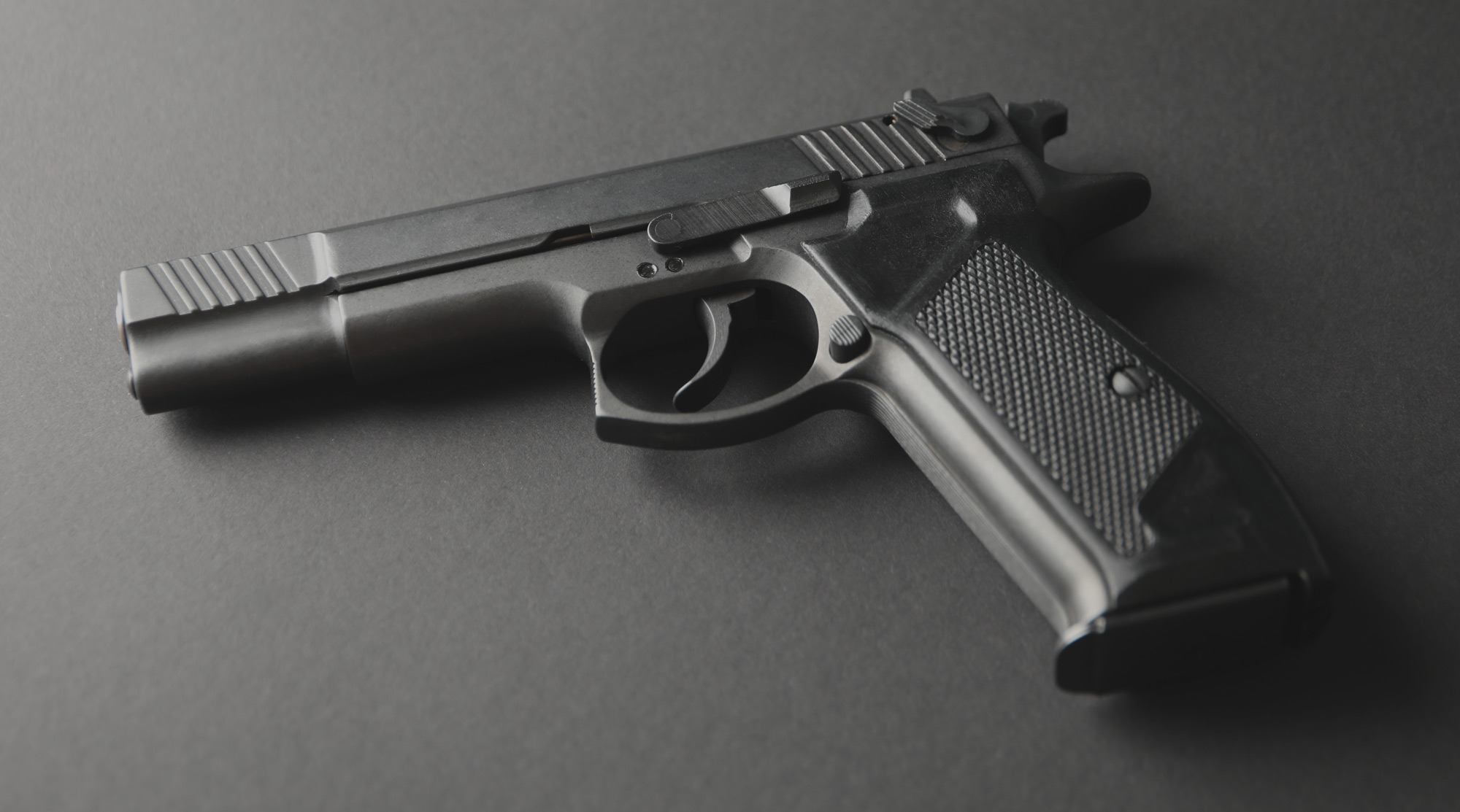
If your firearm purchase was denied in California, you’re probably confused, frustrated, and wondering what it means for your gun rights. Many people assume a denial automatically means they’re prohibited from owning a gun, but that’s not always true. In fact, California DOJ errors and outdated criminal records are two of the most common reasons lawful buyers are denied a gun purchase in California. If you’re having issues purchasing a firearm in California, call Sevens Legal Criminal Lawyers at (858) 777-7777 today. We offer free consultations and we are here to help.
FAQs About Firearm Purchase Denied in California? This Could Be Why
Can I find out why my firearm purchase was denied in California?
Yes. If you were denied a gun purchase in California, you can request your California DOJ criminal record or firearms eligibility report to see exactly what caused the denial, including potential errors or outdated information.
What disqualifies you from owning a gun in California?
There are certain convictions and legal prohibitions that could disqualify you from owning a gun in California. Felony convictions, domestic violence offenses, restraining orders, and specific mental health findings can disqualify someone from owning a firearm.
What ID do you need to buy a gun in California?
Valid identification is required to buy a gun in California. Firearm purchases typically need a California driver’s license or ID and may need proof of residency for handguns.
What does a delayed firearm background check mean in California?
A delayed background check is common in California and means the DOJ needs additional time to review your record. A delay is not the same as a denial and often occurs when the DOJ needs to verify or clarify information before making a final decision.
How long does it take to correct a California DOJ record?
The time required to correct a California DOJ record varies depending on the nature of the error, the court involved, and how quickly supporting documentation can be obtained. Some corrections may take several weeks, while more complex cases can take longer. Reviewing your records promptly and addressing any discrepancies early can help avoid unnecessary delays when attempting to purchase a firearm.
Key Takeaways
-
Firearm purchase denials in California are often caused by incorrect or outdated DOJ criminal records.
-
An arrest or old felony charge may still appear even if it was dismissed, reduced, or resolved.
-
California DOJ databases do not always reflect final court outcomes accurately.
-
You have the right to request and review your DOJ criminal record.
-
Errors can often be corrected with proper documentation and legal advocacy.
-
Reapplying without fixing the issue can lead to repeated denials or legal risk.
-
A San Diego criminal defense lawyer can help protect your gun rights and correct DOJ mistakes.
Even though a firearm purchase denial can feel absolute, it often isn’t. Understanding why gun purchases are denied in California is the first step toward fixing the problem and safeguarding your gun rights.
Current California Firearm Purchase Process (July 2026)
Current process: When a firearm purchase is submitted in California, the California Department of Justice (DOJ) conducts a background check through the Dealer Record of Sale (DROS) system. If the DOJ identifies a potential legal prohibition or incomplete record, the transaction may be delayed or denied while eligibility is reviewed. A denial does not always mean the underlying information is accurate, making it important to review your DOJ records before assuming you have permanently lost your gun ownership rights.
Why Are Firearm Purchases Denied in California?
How California Firearm Background Checks Work
When you attempt to buy a firearm in California and the dealer submits a DROS to the California DOJ, the DOJ Bureau of Firearms conducts a background check. This background check pulls from multiple databases, including criminal history records, court dispositions, and firearm prohibition lists.
This process is automated and fast, but it’s not perfect. If the DOJ’s records show a disqualifying offense, unresolved charge, or prohibition, your firearm purchase may be delayed or denied, even if the information is inaccurate.
Common Reasons Firearm Purchases in California Are Rejected
California’s firearm purchase process involves more than just a background check. Buyers must comply with California firearm laws, complete a Dealer Record of Sale (DROS), satisfy Firearm Safety Certificate (FSC) requirements when applicable, and meet both state and federal firearm eligibility requirements. Understanding each part of the process can help explain why a firearm purchase is delayed or denied.
Some of the most common California DOJ errors that can lead to firearm purchase denials include the following:
-
DOJ records showing a felony that was later reduced to a misdemeanor
-
Arrests appearing without the final case outcome
-
Old cases that were dismissed but never updated
-
Active firearm prohibitions that should have expired
-
Clerical or data-entry errors
-
California firearm prohibitions
-
Incomplete criminal history information
-
Unresolved court records
Many firearm purchase denials are tied to past criminal cases. Even convictions from years ago, especially those involving violence, firearms, or controlled substances, can still affect eligibility if they were never properly reduced, dismissed, or updated in DOJ databases. Understanding how a prior case impacts current firearm eligibility is critical before assuming a denial is permanent.
How California DOJ Criminal Record Errors Happen
Why DOJ Records Are Not Always Up to Date
The California DOJ Bureau of Firearms relies on information reported by California courts, law enforcement agencies, and other government entities when reviewing firearm eligibility. When updates are delayed or never properly submitted, your record may still reflect the initial charge instead of the final result. This is especially common when:
-
A felony is reduced to a misdemeanor
-
Charges are dismissed after diversion or probation
-
Records are sealed, expunged, or amended
-
Multiple courts or counties are involved
Certain firearm prohibitions are governed by California Penal Code provisions that restrict firearm ownership or possession based on criminal history, making accurate court records especially important when determining firearm eligibility. Unfortunately, the DOJ does not automatically fix errors unless prompted, which can result in lawful firearm purchasers being wrongly denied or delayed.
Consequences of an Incorrect Felony Classification
A common firearm purchase denial scenario involves someone who was originally charged with a felony offense but later pleaded to, or had the offense reduced to, a misdemeanor. Even though that reduction may restore firearm rights, DOJ records sometimes continue to show a felony conviction.
This type of error can have broader consequences than most people realize, especially because felony classifications in California can affect far more than just a single firearm purchase. When DOJ records fail to reflect reductions or dismissals, it can create lingering restrictions that impact civil rights, background checks, and long-term legal status.
Real-World Example
Consider someone who was charged with a felony more than 15 years ago but later had the offense reduced to a misdemeanor by the court. If the California DOJ’s records were never updated to reflect that reduction, the individual could still be denied a firearm purchase even though they are no longer prohibited from owning a firearm. After obtaining the correct court records and correcting the DOJ record, the denial may be resolved.
What California DOJ Record Errors Mean for Lawful Gun Buyers
When California DOJ records don’t accurately reflect the final outcome of a criminal case, the consequences can be immediate and far-reaching. Lawful firearm purchasers may be denied or delayed, even when no legal prohibition actually applies.
Because California’s firearm background check process relies on automated flags rather than individual case review, unresolved or incorrectly coded entries can trigger denials without context. The system does not assess whether a case was later dismissed, reduced, or completed; it simply reacts to what appears in the database.
As a result, firearm purchases in California may face:
-
Repeated denials based on the same unresolved error
-
Delays that stretch weeks or months
-
Increased scrutiny if multiple applications are submitted
Before attempting to reapply for a firearm purchase, having your record reviewed by our experienced San Diego gun crime defense attorneys can help clarify your eligibility and prevent unnecessary legal exposure.
“A firearm purchase denial should never be viewed as the end of the process. Before assuming your rights have been lost, it’s important to determine whether the denial is based on an actual legal prohibition or an inaccurate criminal record. In many cases, obtaining the correct court records is the first step toward understanding what happened.”
— Sevens Legal Criminal Lawyers
How to Request Your California DOJ Criminal Record
Checking Your Firearm Eligibility With the California DOJ
If your firearm purchase was denied or delayed, the first step is to find out exactly what information the California Department of Justice (DOJ) has on file. There are two official DOJ resources that can help:
1. Request a Copy of Your California Criminal Record
If you want to review your criminal history, you can request a copy of your DOJ record through the California DOJ’s Record Review process. This requires submitting fingerprints through an authorized Live Scan provider.
To get started, visit the California DOJ Record Review page. The DOJ will use your fingerprints to provide a copy of the California criminal history information it maintains.
2. Request a Personal Firearms Eligibility Check (PFEC)
If your goal is to determine whether you are legally eligible to own or purchase a firearm, you can submit a Personal Firearms Eligibility Check (PFEC) application through the California DOJ Bureau of Firearms. The PFEC allows individuals to request a formal review of their firearm eligibility before attempting another purchase.
After receiving your DOJ record or PFEC results, review the information carefully before submitting another firearm purchase application. The records may include:
-
Arrests and charges
-
Convictions and sentence reductions
-
Firearm prohibitions
-
Case numbers and court dispositions
Identifying errors or outdated information early can help you determine whether your denial was based on an actual legal prohibition or an inaccurate DOJ record.
What to Review Carefully in Your DOJ Record
Once you receive your DOJ record, it’s important to review it carefully for accuracy and completeness. Pay close attention to:
-
Whether felony charges were reduced
-
Whether dismissed cases still appear unresolved
-
Whether prohibitions have end dates
-
Whether case outcomes are missing or inaccurate
Any discrepancy can affect your firearm eligibility, so it’s a good idea to have a criminal defense lawyer review your record before taking further action.
Common Mistakes After a Firearm Purchase Denial
After receiving a firearm purchase denial, it’s important to avoid taking steps that could delay resolving the issue. Some of the most common mistakes include:
-
Reapplying before determining why the purchase was denied
-
Assuming the California DOJ’s records are always accurate
-
Ignoring old court cases that may still appear incorrectly
-
Failing to obtain certified court dispositions or reduction orders
-
Waiting too long to investigate or correct record errors
Taking the time to identify the underlying issue first can often save significant time and frustration later.
How to Fix Errors in Your California Criminal Record
California DOJ record errors can often be corrected, but the process requires accurate documentation and careful follow-through. In most situations, the process includes the following steps:
-
Request your California DOJ criminal record or firearm eligibility report.
-
Compare the DOJ record with the official court records for each case.
-
Identify any incorrect charges, missing dispositions, or outdated prohibitions.
-
Obtain certified court documents supporting the correct outcome.
-
Submit the appropriate corrections to the California DOJ.
-
Follow up to confirm the record has been updated.
-
Consult an experienced criminal defense attorney if the denial remains unresolved or your firearm rights are still restricted.
Because DOJ databases rely on information reported by courts and law enforcement agencies, mistakes often do not correct themselves without action.
Submitting Corrections to the California DOJ
Once the proper court documentation is gathered, corrections must be submitted to the California DOJ in a way that clearly addresses the error. Incomplete requests, missing paperwork, or incorrectly framed submissions can result in delays or outright rejection. This is where legal guidance can make a meaningful difference, ensuring the correction process is handled properly and minimizing unnecessary risk.
A Firearm Purchase Denial in California May Not Be Permanent
Because California firearm laws continue to evolve, it’s important not to assume a firearm purchase denial is permanent or that a background check result is necessarily accurate. Reviewing your criminal record, understanding your legal status, and obtaining experienced legal guidance can help you determine the appropriate next steps.
Free San Diego Firearm Rights Consultation
If your firearm purchase was denied in California, you may still have legal options. DOJ errors are common and can be fixed, but timing and strategy are crucial. At Sevens Legal, we offer a free legal consultation to help you understand your rights and next steps.
How to Contact Our Criminal Defense Attorneys
Don’t wait to protect your future. If your firearm purchase was denied in California, call Sevens Legal Criminal Lawyers today at (858) 777-7777 to speak with an experienced San Diego criminal defense attorney. We are here to help.
Primary Sources for this Article
Legal Statutes
-
California Penal Code §§ 29800–29875 (Firearm Prohibitions)
-
California Penal Code §§ 28220–28235 (Dealer Record of Sale and Background Checks)
-
California Penal Code §§ 30370–30395 (Firearm Eligibility Requirements)
Government Resources
Courthouses in San Diego County
General Information
https://www.sdcourt.ca.gov/sdcourt/generalinformation/courtlocations
North County Courthouse
325 South Melrose Drive, Vista, CA 92081
https://www.sdcourt.ca.gov/sdcourt/generalinformation/courtlocations/northcountycourthouse
East County
250 East Main Street, El Cajon, CA 92020
https://www.sdcourt.ca.gov/sdcourt/generalinformation/courtlocations/eastcountyregional
South County
500 Third Avenue, Chula Vista, CA 91910
https://www.sdcourt.ca.gov/sdcourt/generalinformation/courtlocations/southcountyregional
Central Courthouse
1100 Union Street, San Diego, CA 92101
https://www.sdcourt.ca.gov/sdcourt/generalinformation/courtlocations/centralcourthouse2
Juvenile Court
2851 Meadow Lark Drive, San Diego, CA 92123
https://www.sdcourt.ca.gov/sdcourt/generalinformation/courtlocations/juvenilecourt
Sevens Legal Criminal Lawyers is led by Samantha Greene, Certified Criminal Law Specialist (State Bar of California Board of Legal Specialization), Dan Greene, Trial Lawyer of the Year (2019, Criminal Defense Bar Association of San Diego), and Kerry Steigerwalt, AV Preeminent® Rated (Martindale-Hubbell) for 10+ years. Our attorneys bring decades of combined criminal defense experience.
San Diego Office: 3555 Fourth Ave, San Diego, CA 92103
Escondido Office: 500 La Terraza Blvd., Suite 150, Escondido, CA 92035
Disclaimer: This post is for informational purposes only and does not constitute legal advice or create an attorney-client relationship. Past results do not guarantee future outcomes. Each case is unique and should be evaluated by a qualified attorney. For legal advice, please contact our office directly.